


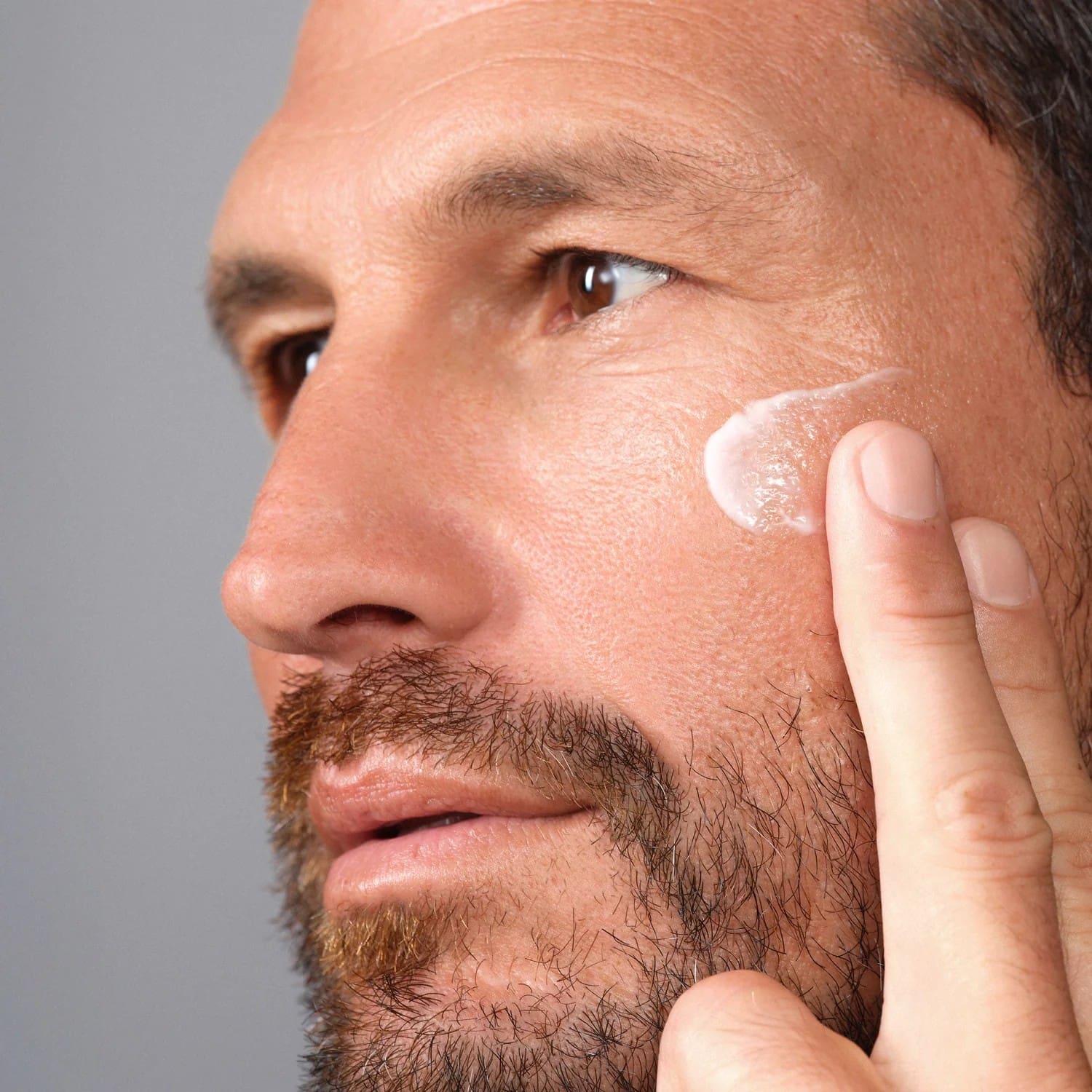

Different Customers, Different Paths to Retail Growth
From digitally native skincare to luxury Italian barbershops, men’s grooming brands are taking different paths to retail—and creating new opportunities for discovery, education and customer acquisition. Founder and CEO of KSJ Collective, Kelly St. John, offers her insights.
Key takeaways
- Men are spending more on their own routines. Gen Z and millennial men are 2.7 times as likely as other consumers to spend $500 or more a month across beauty, health, and wellness, according to a 2026 AlixPartners and CEW study.
- There is no single men’s grooming customer. Caldera + Lab, Barberino’s, and ATWATER each reach a different one, through performance, craftsmanship and experience, and education.
- For these brands, retail extends an established business, adding convenience for existing customers and discovery for new ones.
- The opportunity for retailers is to curate brands with distinct points of view for different customers.
Men’s grooming is no longer a category retailers can afford to overlook. Men are investing more in their skincare and grooming routines, becoming increasingly knowledgeable about products and, perhaps most importantly, making more of their own purchasing decisions.
At KSJ Collective, what interests us most isn’t simply the growth of the category. It’s the fact that there is no single men’s grooming customer, and the brands finding success are approaching him in very different ways.
We’re seeing this firsthand through two of our current brand partners, Caldera + Lab and Barberino’s, both of which have built established businesses and loyal customer followings through very different models.
For these brands, physical retail isn’t where the business begins. It’s an opportunity to build on what is already working, make their products more accessible to existing customers and introduce the brand to an entirely new audience.
Why is men’s grooming growing?
According to a 2026 study from AlixPartners and CEW, reported by Beauty Independent, Gen Z and millennial men are 2.7 times as likely as other consumers to spend $500 or more monthly across beauty, health and wellness. Among men overall, 35% budget for skincare and 34% for haircare.
The study also found that 67% of Gen Z and millennial men subscribe to beauty, health or wellness products and services, compared with 38% of other consumers.
These are meaningful shifts in spending and purchasing behavior. And while younger generations are helping drive the category forward, the opportunity extends well beyond one age group.
Men are increasingly developing their own relationships with products, discovering what works for them and building routines around their individual needs.
For retailers, this creates an opportunity to think differently about the category, from the brands they select to how those brands are presented and supported on the selling floor.
How are brands winning in men’s grooming at retail?
Caldera + Lab: Bringing an established DTC business into physical retail
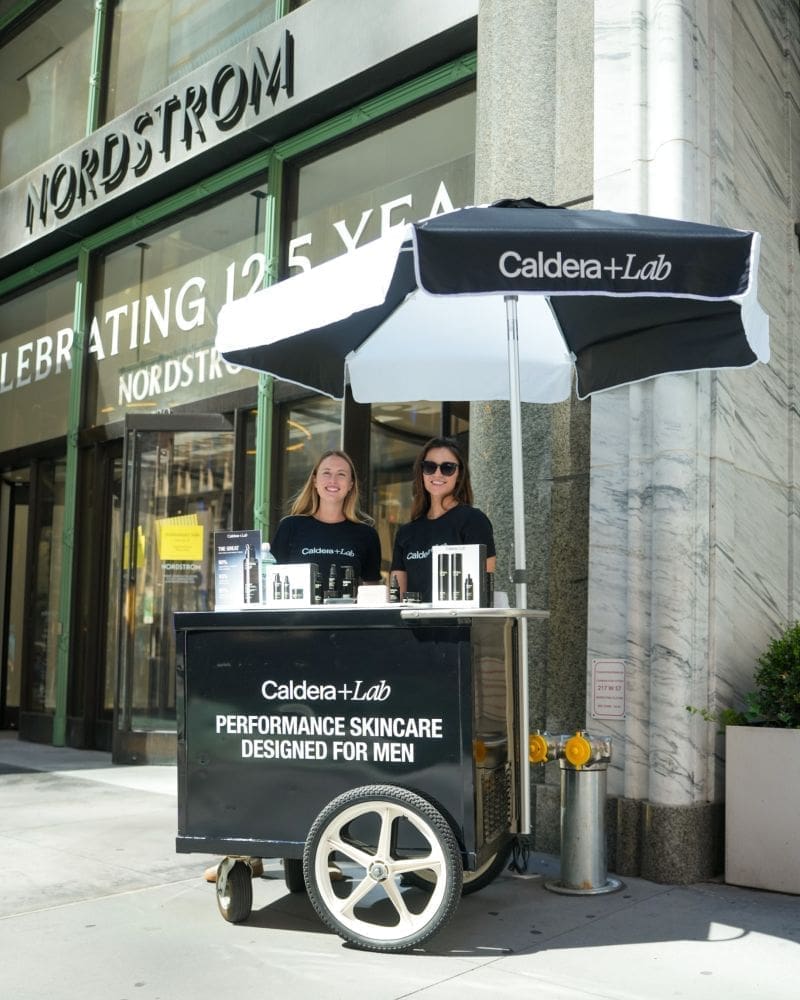
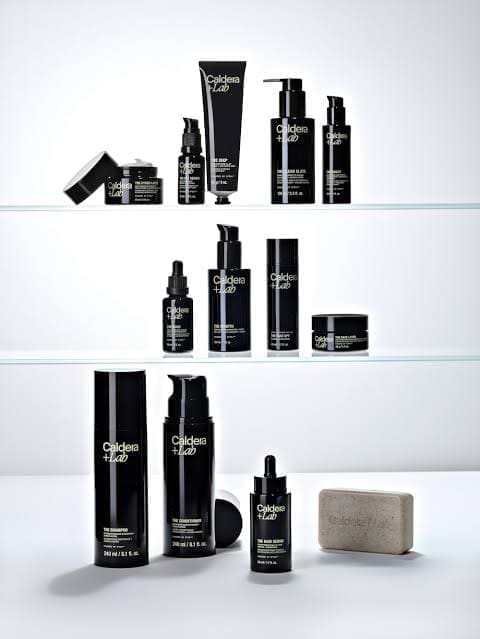
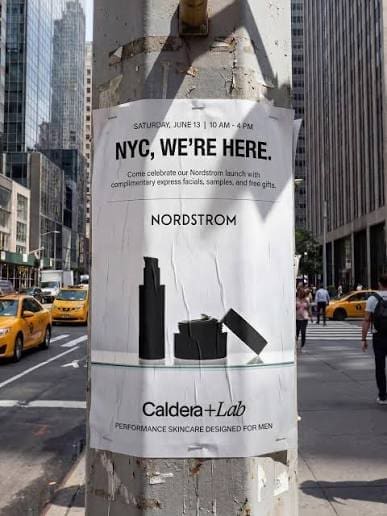
Caldera + Lab is a particularly interesting example of a brand approaching retail expansion from a position of strength.
Founded in 2019 by Jared Pobre, the brand grew out of his personal experience living in Jackson Hole, Wyoming, where the harsh climate inspired a search for better-performing men’s skincare. Jared brought his background as a successful technology entrepreneur to building a digitally native business focused on high-performance, science-backed formulations developed specifically for men’s skin.
The results speak to the strength of that foundation.
According to BeautyMatter’s June 2026 feature, Caldera + Lab grew from $7 million in sales in 2022 to $40 million in revenue in 2025, with DTC remaining its primary business channel.
But what makes the brand’s retail expansion especially interesting is that consumer demand was already established.
As we’ve seen through our partnership, Caldera + Lab customers increasingly wanted the convenience of purchasing the products in the physical stores where they were already shopping.
Its May 2026 launch at Nordstrom, initially across 32 stores and online, represents a natural next step in the brand’s growth. The brand is also available digitally through Ulta.com and FWRD, providing additional access to different retail audiences.
Rather than relying on retail to introduce the business to consumers for the first time, Caldera + Lab is using expanded distribution to reach both its existing customers and new shoppers who may discover the brand through a trusted retailer, an in-store experience or a knowledgeable beauty associate.
It’s an important distinction. Retail becomes an extension of an already successful business, with the added opportunity for discovery, education and new customer acquisition.
Barberino’s: A decade of Italian grooming expertise comes to American retail
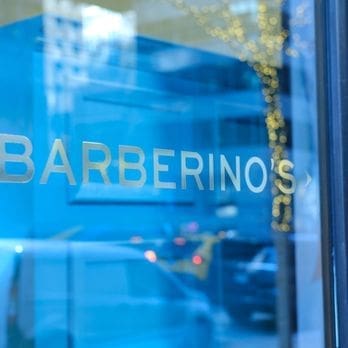
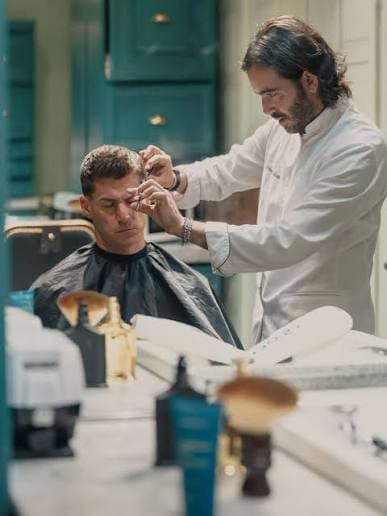
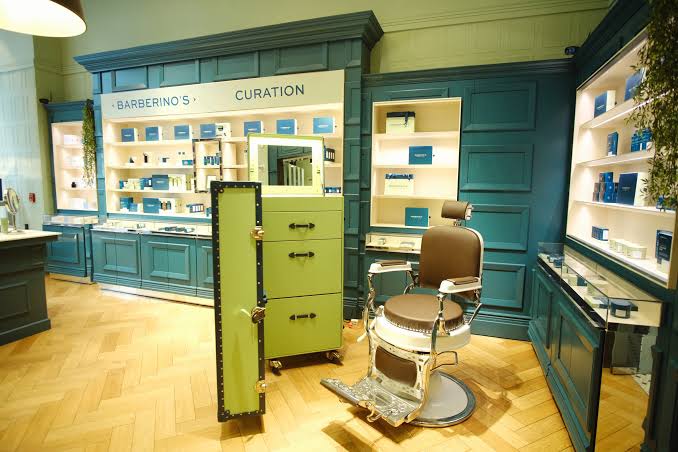
Barberino’s brings an entirely different perspective to the men’s grooming category.
Founded in Milan in 2015 by Michele Callegari and Niccolò Bencini, two entrepreneurs with backgrounds in finance and business strategy, Barberino’s was created to bring a modern approach to traditional Italian barbering.
The brand’s heritage also has a personal connection to America. Michele’s great-grandfather, Giovanni Callegari, was an Italian barber who emigrated to the United States in 1910 and became known as Barberino.
More than a decade later, the business has grown into a well-established grooming company with approximately 20 locations across Italy, offering an experience built around craftsmanship, personalized service and an extensive collection of grooming products.
Its successful model also attracted the attention of industry veteran Eric Malka, co-founder of The Art of Shaving, who became an investor and strategic partner in Barberino’s U.S. expansion.
The company entered the American market in 2024 with its first New York barbershop on Madison Avenue. Its presence has since expanded to Rockefeller Center and Grand Central Terminal, with another location planned for Columbus Circle.
What makes Barberino’s particularly compelling is that its physical locations have always been a central part of its customer acquisition and brand-building strategy.
As Michele explained in an August 2026 BeautyMatter feature, the barbershops themselves introduce customers to the brand and its products, creating an opportunity to build relationships through service and experience.
Now, with growing U.S. distribution through retailers including Bloomingdale’s, Saks Fifth Avenue, Dillard’s and Nordstrom, along with an expanding digital presence that includes Ulta.com, Barberino’s is extending those relationships beyond the barbershop.
For existing customers, it means greater convenience and accessibility. For new customers, it creates an introduction to Italian grooming traditions, products and a brand that has spent more than a decade developing its point of view.
Much like Caldera + Lab, Barberino’s isn’t turning to retail to establish a business. It’s using retail to expand the reach of one that already exists.
ATWATER: Building loyalty through education and a different approach to skincare
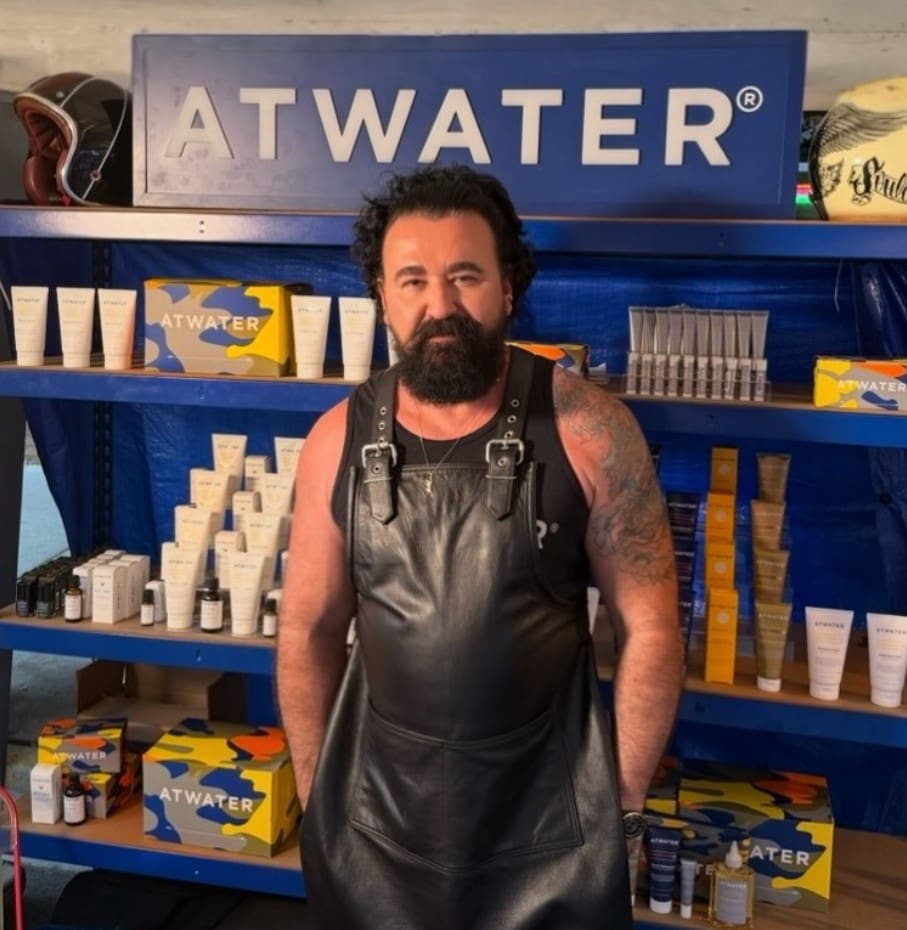
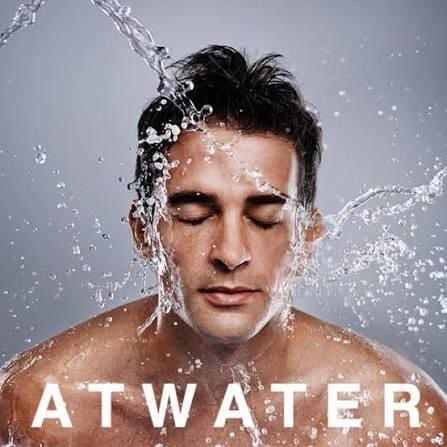
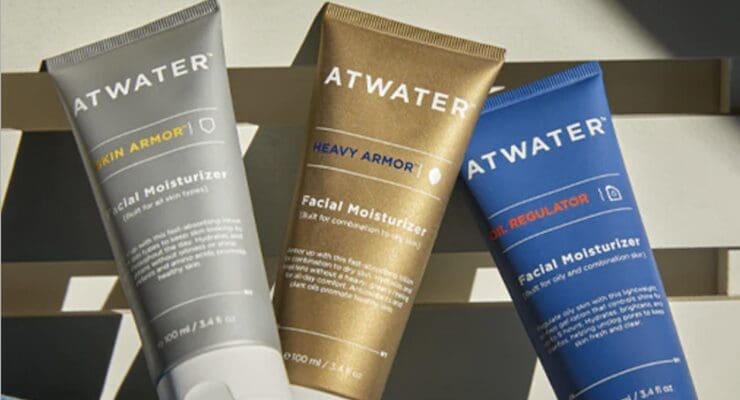
Another brand that reinforces just how varied the men’s grooming customer can be is ATWATER, founded by Chris Salgardo.
ATWATER is a former KSJC brand partner, and Chris is a longtime industry colleague and friend whose continued success we love to see.
Chris brings an exceptional depth of experience to the business, having spent 18 years at Kiehl’s, including 12 as president, as well as holding leadership roles across L’Oréal’s prestige beauty portfolio.
Unlike Caldera + Lab’s DTC-first model or Barberino’s service-led approach, ATWATER incorporated physical retail into its strategy from the beginning, launching in 2022 with Nordstrom.
The brand has built its positioning around making effective skincare more approachable for men, particularly those who want to take better care of their skin but may need guidance in understanding which products and routines are right for them.
Rather than taking a one-size-fits-all approach, ATWATER organizes its core skincare offerings around different skin types, emphasizing education and simplicity.
That positioning is resonating with retailers and consumers alike.
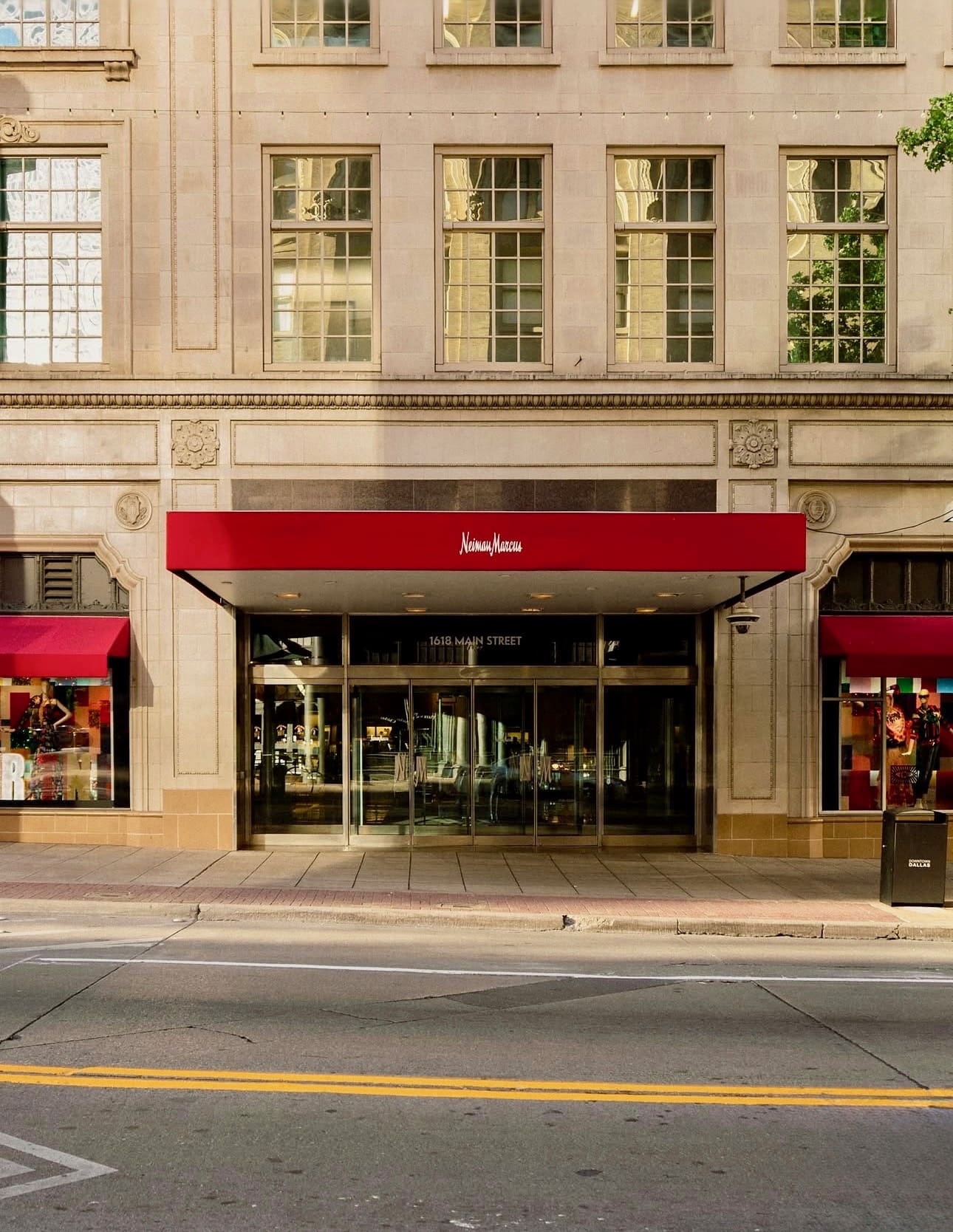
Since its initial Nordstrom launch, ATWATER expanded its national retail distribution to include Bluemercury, Bloomingdale’s and Saks Fifth Avenue, with Neiman Marcus as its newest prestige retail partnership. The brand is also available online through Ulta.com, giving customers another convenient way to discover and replenish their products.
A recent Beauty Independent feature highlighted the brand’s continued retail momentum, with some accounts reporting growth of as much as 200%. ATWATER was also recognized as one of BeautyMatter’s NEXT50 brands for 2026.
One observation Chris shared in the Beauty Independent interview was particularly telling. At a recent brand event, he watched a group of men openly sharing skincare tips and recommending specific products to one another—something he noted would have been unusual earlier in his career.
It’s a small but meaningful illustration of how far the category has come.
Men aren’t just purchasing products. They’re learning about them, developing preferences and sharing what works.
And for a brand like ATWATER, education and the personal interaction available through physical retail can play an important role in building that relationship.
What does Ulta Beauty’s marketplace signal for men’s grooming?
The growing presence of men’s grooming brands on Ulta.com is another development worth paying attention to.
When Ulta Beauty launched its UB Marketplace in October 2025, grooming and personal care were among the categories specifically highlighted as opportunities to expand the retailer’s assortment and introduce new brands to its customers.
All three brands featured here—Caldera + Lab, Barberino’s and ATWATER—are now available through Ulta.com, each bringing a distinctly different approach to men’s grooming.
While Ulta continues to explore how the category may evolve within its physical stores, the marketplace provides an opportunity to expand selection, introduce different types of men’s grooming brands and learn more about consumer demand without requiring an immediate commitment to widespread in-store distribution.
From our perspective, this is an important development. It signals that retailers are looking beyond the traditional definition of men’s grooming and recognizing an opportunity to serve a more engaged, increasingly sophisticated customer.
It also illustrates how digital marketplaces can play a meaningful role in a brand’s broader distribution strategy, creating additional visibility, access to new customers and opportunities to build awareness while the retailer evaluates the category’s longer-term potential.
What should retailers do about men’s grooming?
These three brands illustrate something we believe strongly at KSJ Collective: men’s grooming isn’t a single category serving a single customer, and retailers shouldn’t approach it that way.
Caldera + Lab speaks to a performance-driven consumer who values efficacy, innovation and advanced skincare.
Barberino’s connects with a customer drawn to craftsmanship, tradition and the experience of grooming.
ATWATER appeals to a shopper looking for straightforward, effective products and the education to make better decisions about his skincare.
There may be overlap among these customers, but each brand offers a distinct reason to engage.
For retailers, the opportunity is to approach men’s grooming with the same level of thoughtful curation, storytelling and selling support that has long been applied to women’s beauty.
That means understanding the customer each brand serves, creating opportunities for discovery, and ensuring that education and the in-store experience reinforce what makes the brand different.
It also means looking beyond the initial retail placement. The strength of a brand’s existing business, its customer relationships, its ability to drive repeat purchases and its commitment to supporting the retail partnership all matter.
Our KSJC POV
Men’s grooming is a category with room for more than one winner. The opportunity isn’t simply to add more men’s brands to the assortment, but to curate brands with distinct points of view that speak to different customers and deliver a meaningful retail experience.
And for brands, the goal shouldn’t simply be more doors. It’s about understanding how each distribution channel complements the business you’ve already built, expands access for your existing customer and introduces your brand to the next one.
The right retail partnership doesn’t just create additional distribution. It creates another opportunity to build a lasting relationship with the customer.




Comments +